
Mil-Spec
Showing 13–24 of 461 resultsSorted by popularity
-
This MIL-PRF-6086 specification covers two grades of petroleum-based lubricating oils for gears. This oil is identified by NATO Code Numbers O-153 and O-155.
-
This DOD-PRF-85734 specification covers the requirements for one grade of a synthetic base helicopter transmission system lubricating oil.
-
MIL-PRF-85285 Polyurethane Coating is an aerospace grade, multi-component chemically cured aircraft paint that forms a film that is resistant to chemicals, solvents and abrasion. This polyurethane coating has excellent adhesion to most substrates and is recommended for heavy duty industrial applications where a tough, resilient finish is required.
-
This specification covers three classes of gas synthetic turbine engine lubricating oils, primarily used for aircraft engines, which have a nominal viscosity of 5 centistokes at 100 Deg. C and which are typically made with neopentyl polyol ester base stocks. This MIL-PRF-23699 specification aircraft oil is identified by NATO Code Number 0-156.
-
This MIL-PRF-680 specification covers degreasing solvent that consists of five types of petroleum distillates.
-
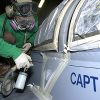
This specification covers the requirements for three types of thinner to be used in reducing aircraft coatings.
-
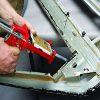
This MMM-A-134 specification covers epoxy resin structural metal to metal adhesives for bondings such as the fabrication and repair of airframe parts, components, and other applications requiring bonding of a similar quality.
-
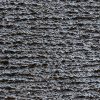
Chemsol Navy G- MIL-PRF-24667 Anti-Skid Safety Coating is a high solids, two-component fast curing epoxy anti-skid floor and deck coating (non-slip paint). It has extreme durability and has superb resistance to abrasion, wear, weather, chemicals and impact.
Chemsol Navy G is most frequently used in:
• Military settings
• Heavy marine settings
• Very heavy industrial settings
• Very heavy manufacturing settings
• Very heavy wheeled traffic, heavy vehicle traffic, semi-truck traffic
• Areas exposed to heavy chemicals: Nitric oxide, methanol, ethanol,
ammonium nitrate, brake fluid, chlorine, skydrol, vinegar, MEK, antifreeze, acetone, ammonium hydroxide -
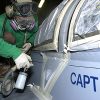
This specification covers three types of low VOC (volatile organic compounds), ready-mixed, one-component, 100% acrylic waterborne airfield and traffic marking paint. The waterborne airfield and traffic paint is suitable for application on such traffic-bearing surfaces as Portland cement concrete, bituminous cement concrete, asphalt, tar, and previously painted areas of these surfaces. FS TT-P-1952 may be used alone or to bind reflective beads.
-
This specification covers the requirements for corrosion inhibiting, chemical and solvent resistant, solvent-borne, high-solids epoxy primer coatings that have a maximum volatile organic compound (VOC) content of 340 grams per liter (g/L)(2.8 pounds per gallon [lb/gal]) as supplied by the manufacturer.
-
The MIL-PRF-16173 solvent cutback performance specification covers solvent-dispersed corrosion preventive compounds that deposit thin, easily removable films after evaporation of solvent.
-
This performance specification covers multipurpose gear-lubricating oils. This specification is canceled. Superseded by SAE-J2360.