
Mil-Spec
Mil-Spec
Showing 1–12 of 461 resultsSorted by popularity
-
This MIL-PRF-7808 specification covers the requirements for two grades of aircraft turbine engine lubricating oil.
-
This MIL-PRF-6083 specification describes the characteristics and provides the requirements for one grade of petroleum base hydraulic fluid for use in the -54C to +135C temperature range. This fluid is rust inhibited and used both as a preservative for hydraulic systems and components as well as being an operational fluid. This hydraulic fluid will not be used for aircraft systems, aircraft ground support equipment, or the preservation of aircraft components. The hydraulic fluid is identified by Military Symbol OHT and NATO Symbol C-635.
-
This MIL-PRF-5606 specification describes the characteristics and provides the requirements for a petroleum base hydraulic fluid for use in the -54 Deg. C to +135 Deg. C temperature range. This fluid is identified by military symbol OHA and NATO Code No. H-515.
-
This MIL-PRF-83282 specification covers the requirements for a synthetic hydrocarbon-base hydraulic fluid for use in the temperature range of -40
-
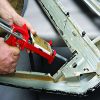
MIL-PRF-81733 sealant specification covers accelerated, room temperature curing synthetic rubber compounds used in the sealing and coating of metal components on weapons and aircraft systems for protection against corrosion. The MIL-PRF-81733 Type I sealing compound is effective over a continuous operating temperature range of 65° to +250° F (54° to +121° C). The MIL-PRF-81733 Type II sealing compound is effective over a continuous operating temperature range of 80° to +320° F (62° to +160° C).
-
The MIL-PRF-6081 covers the requirements for two grades of jet engine lubricating oil.
-
This MIL-PRF-9000 specification covers two grades (SAE 40 and SAE 15W40) of lubricating oil for use in advanced design high-output shipboard main propulsion and auxiliary diesel engines using fuel conforming to MIL-DTL-16884 and MIL-DTL-5624. Military Symbol 9250, NATO Code 0-278 is the designation used for the SAE 40 Grade product. There is not a Military Symbol or NATO designation for the 15W40 Grade product.
-
This MIL-DTL-85470 specification covers the requirements for one type and grade of a high flash, fuel system icing inhibitor soluble in aircraft turbine engine fuel. This inhibitor is primarily composed of diethylene glycol monomethyl ether and is commonly referred to as DiEGME.
-
This MIL-PRF-22750 specification covers the requirements for a two component, high solids epoxy coating. This coating is free of all inorganic hazardous air pollutants (HAPS), including compounds of lead and chromium. The coating is supplied as a kit.
-
This specification covers three groups of one-part, room-temperature-vulcanizing (RTV), silicone adhesive-sealants which cure to durable, rubber adhesive-sealants upon reaction with moisture in the air. This specification also covers primers for use with the silicone adhesive-sealants.
-
This MIL-PRF-10924 grease specification covers one grade of a multi-purpose grease for lubrication of ground automotives, artillery, and equipment and is identified by Military Symbol GAA and NATO Code Number G-403.
-
This A-A-2787 description covers two types of aerosol enamel coatings meeting National Volatile Organic Compound Emission Standards for Aerosol coatings, 40 CFR 59, Subpart E. The aerosol enamel shall be furnished in nominal 475 mL (1-pint) commercial pressurized dispensers with cover caps protecting the valves. The enamel shall be dispersible by hand shaking for 1 minute at room temperature. The valve shall operate with moderate finger pressure and close immediately upon release of pressure without sputtering. The spray shall be uniform and a smooth film shall be deposited. The can shall deliver a minimum of 98.0 percent by weight of contents.